I Paid Real Money for a Hologram Concert and I Have Thoughts
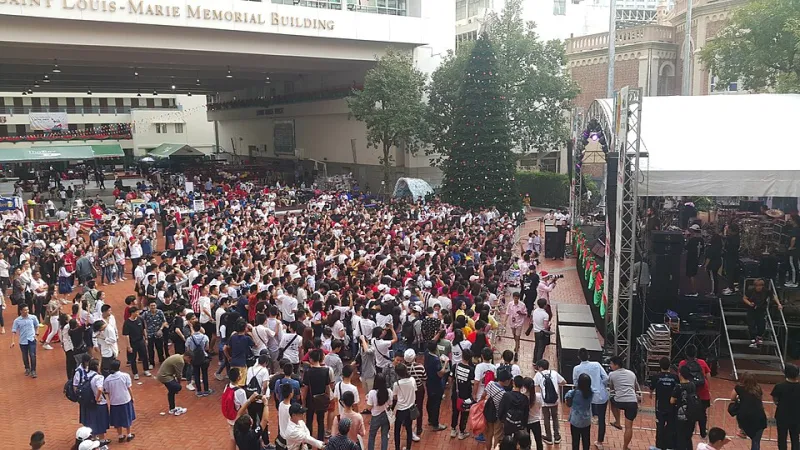
Photo: Chainwit., CC BY-SA 4.0, via Wikimedia Commons
Let me start with a confession: I went into this skeptical, and I came out only slightly less so.
Last month I attended a fully digital concert experience — a virtual venue, a digital collectible ticket, the whole apparatus. And I've spent the weeks since trying to figure out whether I witnessed the future of live entertainment or just a very elaborate way to separate fans from their money.
The answer, annoyingly, is both.
The Spectacle Is Real (Even When Nothing Else Is)
You cannot write about this space without mentioning the moment everything changed: Travis Scott's 2020 Fortnite concert, which pulled in over 12 million concurrent viewers. Twelve. Million. For scale, that's more people than attended every NFL game that season combined. Whatever your feelings about virtual events, that number ended the debate about whether digital concerts could scale.
Then there's ABBA Voyage in London, the digital residency that has become the industry's proof of concept. The band — in their seventies — performs as "ABBAtars," motion-captured holograms of their 1979 selves, in a purpose-built venue. It has sold millions of tickets and prints money. Reviews have been genuinely glowing. People cry. People dance. People forget they're watching light projections for ninety minutes.
And the ticketing side of things has gone crypto-native, with NFT-based passes promising verifiable ownership, built-in resale royalties for artists, and perks that live on the blockchain forever. The pitch is seductive: no more scalpers, no more fake tickets, no more Ticketmaster fees (a villain so universally despised it briefly united Congress and Taylor Swift fans).
So why am I not fully sold?
The Democratization Story Doesn't Quite Hold
Here's the argument the industry loves: digital events make live music accessible to everyone. A fan in rural Kansas who will never afford a flight to a stadium tour can watch from their couch for a fraction of the price. Disabled fans, fans without childcare, fans without passports — suddenly the doors are open.
I believe that argument. I do. But I also notice that when the Rolling Stones or whoever launches a virtual event, the "affordable" tier gets you a livestream with all the intimacy of a security camera, while the premium packages — the ones with virtual meet-and-greets and exclusive digital merch — run into hundreds of dollars. The NFT ticket tiers are worse: buy the expensive collectible, get access to future presales, join the VIP digital lounge. It's a loyalty program wearing a tech monocle.
In other words, the technology democratizes access at the bottom while inventing entirely new ways to overcharge the superfans at the top. The scalper doesn't disappear; it just becomes a smart contract.
And let's talk about what "ownership" means when your ticket is an NFT. You own a token that points at something. When the event company folds — and in this economy, companies fold — that token points at nothing. Ask anyone who bought digital concert memorabilia in 2021 how their investment is doing.
What Even Is a Concert?
Strip away the tech and the question underneath is philosophical: what are we paying for at a live show? I'd argue it's three things — presence, risk, and communion. Presence because the artist is there. Risk because anything can happen, including disaster. Communion because ten thousand strangers scream the same lyric and briefly become one organism.
Digital events can fake communion surprisingly well (the Fortnite thing had real communal energy). They can approximate risk. They cannot do presence, and I don't think they ever will. A hologram of ABBA is a marvel, but it's a marvel, not a person. Nobody leaves a hologram show feeling like the artist saw them.
Verdict: Cautiously Optimistic, Financially Wary
I don't want to be the old man yelling at the metaverse. ABBA Voyage is, by all accounts, a phenomenal night out. Virtual events gave touring artists revenue during a pandemic that shut their industry down. Blockchain ticketing, deployed honestly, could genuinely kill the scalping bots that ruin onsales for everyone.
But "deployed honestly" is doing a lot of work in that sentence. Every innovation in this space has been accompanied by a pricing strategy that treats devotion as a monetizable asset. Until the industry proves it can build digital experiences that aren't structured like loot boxes, I'll keep one eyebrow raised.
Go see the holograms. Skip the premium token tier. And maybe, every once in a while, go stand in a sweaty crowd and remember what the real thing costs — and why it's worth it.