We're Not Watching Products Anymore — We're Watching the Box They Come In
The Ritual We All Recognize
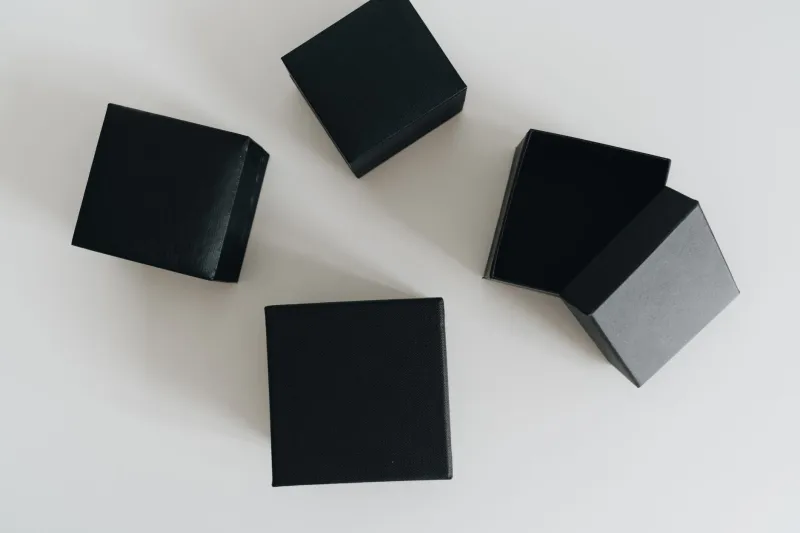
There's a specific kind of video that you've almost certainly watched at some point, even if you'd never admit it in polite company. Someone's hands — always just the hands — hover over a clean, well-lit surface. A package sits in the center of the frame. The person narrates softly, describing the weight of the box, the quality of the packaging, the way the tape peels back. And then, slowly, deliberately, they open it.
Nothing explodes. Nobody wins anything. The product inside is often something you could look up on a spec sheet in thirty seconds. But something about watching it happen — the anticipation, the reveal, the careful inspection — is genuinely, inexplicably satisfying.
Unboxing content has been around since the early YouTube days, but it's no longer a quirky corner of the internet. It's a genre. A massive, monetized, brand-funded genre with billions of views, celebrity creators, and enough cultural weight that Apple designs its packaging specifically with unboxing videos in mind. We need to talk about what that means.
A Brief, Weird History
The first wave of unboxing videos was pretty utilitarian. Tech enthusiasts wanted to see what was actually in the box before they spent money — was the cable included? How big was the power brick? Did it come with documentation? It was basically crowdsourced product research, and it was genuinely useful.
But somewhere around 2010, something changed. The videos started getting more elaborate. Lighting improved. Editing got tighter. Creators started treating the unboxing itself as a performance — slowing down for dramatic effect, commenting on the texture of the packaging, building suspense around a product reveal the way a magician builds to a trick.
The audience grew. Then it exploded. Ryan's World, a channel featuring a child unboxing toys, became one of YouTube's most-watched channels globally, earning its young host tens of millions of dollars annually. Meanwhile, adult-oriented channels dedicated to luxury goods, sneakers, tech, and beauty products built audiences in the millions.
The product almost became secondary. The experience of watching someone open something — that's what people were there for.
The ASMR Connection
You can't talk about unboxing content without talking about ASMR, the sensory phenomenon where certain sounds and visuals trigger a tingling, relaxing response in some people. Rustling paper, soft tapping, deliberate narration — these are ASMR staples, and they're also unboxing staples.
The overlap isn't accidental. A lot of the most popular unboxing creators have leaned hard into ASMR aesthetics — quiet voices, close-up audio, slow and methodical handling of objects. The content isn't just informational; it's sensory. It's designed to feel good to watch in a very physical way.
What's notable is how mainstream ASMR has become through this pipeline. Five years ago, mentioning ASMR in a general conversation might get you a blank stare. Now it's a recognized aesthetic, a legitimate content category, and a marketing tool that brands actively seek out. Unboxing content was a huge part of that normalization.
Packaging as Performance
Here's where things get really interesting from a consumer culture standpoint: brands have noticed. And they've responded by treating their packaging not as a container for the product, but as a content opportunity.
Apple is the canonical example. The company famously spends enormous resources on packaging design — the specific resistance of a box lid as it slides off, the way components are nested, the smell of a freshly opened device. Former Apple employees have described packaging as being treated with the same seriousness as product design itself. The reason? They know the unboxing will be filmed.
Luxury brands have taken this even further. Some companies now create "unboxing editions" — specially designed packaging with extra layers of tissue, ribbon, and branded inserts — specifically intended for social media content. The packaging has become a marketing vehicle that consumers create content about voluntarily, for free, and distribute to their own audiences.
It's a beautiful piece of brand strategy when you look at it coldly. The customer buys the product, films themselves opening it, posts the video, and effectively becomes an unpaid ambassador. The brand gets authentic-seeming content without paying for it. The creator gets engagement. Everyone wins, sort of.
What We're Really Watching For
But step back from the brand strategy for a second and ask a more uncomfortable question: why do we actually watch these videos?
Some of it is practical — you want to know what's in the box before you buy. Some of it is aspirational — watching someone open a product you can't afford lets you vicariously experience having it. And some of it, I'd argue, is about something deeper: the desire for a kind of manufactured authenticity in a media landscape that's almost entirely manufactured.
Unboxing videos feel real in a way that polished commercials don't. The hands are someone's actual hands. The reaction (ideally) is someone's actual reaction. Even when creators are being paid by brands to film these things — and many of them are — the format creates an illusion of genuine experience. You're watching a person interact with an object in real time. That's intimate in a way that a thirty-second ad can never be.
We are, as a culture, incredibly hungry for that feeling. And the unboxing format delivers it efficiently and repeatably.
The Part That Should Give Us Pause
I want to end with a slightly uncomfortable observation, because I think it's worth sitting with.
The fact that watching someone open a package has become a legitimate entertainment genre — one that commands billions of views and shapes brand strategy for some of the biggest companies in the world — says something specific about where consumer culture has landed.
We're not just buying things. We're consuming the experience of buying things. We're watching other people consume so we can consume the act of consumption. There's something recursive and a little dizzying about that.
None of this is a moral catastrophe. Unboxing videos are mostly harmless, often genuinely entertaining, and occasionally actually useful. But they're also a pretty clear mirror of a culture that has learned to find pleasure in the ritual of acquiring things, separate from whether the things themselves bring any lasting satisfaction.
The box has become the show. And honestly? We're all watching.