Flip Phones, Film Cameras, and the Weird Joy of Worse Technology
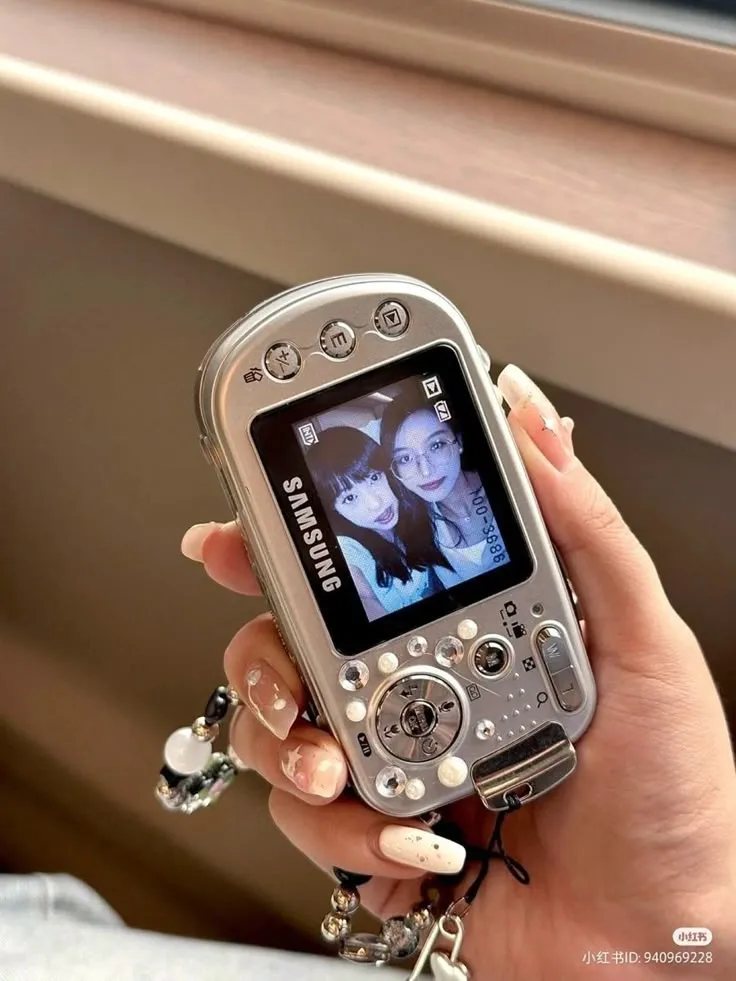
Photo: vintage flip phone and retro digital camera on table with wired earbuds, via i.pinimg.com
Somewhere along the way, the kids got wise. Walk through any American high school or college campus in 2024 and you'll spot them: teenagers texting on flip phones, college students shooting parties on chunky digital cameras, twenty-somethings proudly untangling wired earbuds like it's 2009.
Retro tech isn't just an aesthetic anymore — it's a quiet rebellion. And beneath the Y2K vibes, there's actual psychology explaining why technology that does less can feel so much better.
1. The Flip Phone
Sales of basic flip phones have been quietly climbing in the US for years, driven largely by buyers under 25. The appeal isn't nostalgia — most of these kids never owned one the first time. It's escape. A flip phone can text, call, and do absolutely nothing else. No infinite scroll, no notifications, no 2 a.m. doom spiral.
The psychological hook: constraints feel like freedom when you've spent a decade inside an attention economy. Closing a flip phone also delivers a deeply satisfying physical clack — a definitive end to a conversation that no touchscreen can replicate.
2. Wired Earbuds
AirPods were supposed to kill the headphone jack forever. Instead, wired earbuds have become a fashion statement and a practical protest. They never need charging, they cost eight dollars, they can't be lost one at a time, and — this is the underrated part — they physically tether you to your device, making it harder to wander off into a scrolling session.
There's also a subtle social signal. Pulling out wired earbuds says, I made a choice here. It's minimalism with a plug.
3. The Point-and-Shoot Digital Camera
This one exploded on TikTok, of all places. Gen Z hunts down early-2000s Canon PowerShots and Sony Cybershots at thrift stores specifically because the photos look worse — slightly blurry, harshly flashed, imperfect. In a feed full of algorithmically polished smartphone images, that crunchy, unfiltered look reads as authentic.
Psychologists call this the "imperfection effect": flaws make memories feel real rather than performed. A slightly blown-out photo of your friends laughing hits different than a perfectly computed computational-photography masterpiece.
4. Film Photography
The older sibling of the point-and-shoot revival. Film sales have surged for a decade straight, with Kodak reopening production lines it had shuttered. Each of the 36 exposures costs real money and can't be instantly reviewed, which changes how you shoot. You pay attention. You wait. And the delayed gratification — dropping off a roll, waiting a week — turns photos into events instead of reflexes.
5. Physical Media
Vinyl outsold CDs for the first time in decades a few years back, but the real surprise is what came next: DVDs, Blu-rays, even cassette tapes are back. Part of this is practical — streaming libraries shrink as shows get deleted, and owning a disc means nobody can yank your favorite movie off a server. Part of it is the shelf. A wall of DVDs is a physical autobiography. A "Watch Later" list is a guilt pile.
6. Paper Planners and Analog Notebooks
Sales of paper planners and journals keep climbing among young professionals, and research backs the preference: studies suggest handwriting engages memory and comprehension differently — often better — than typing. But the deeper draw is single-purpose design. A notebook cannot ping you. It just waits, patiently, with no agenda of its own.
7. The Dumb Watch
Smartwatches put your entire notification feed on your wrist, which sounds convenient until you realize you've turned your own arm into a second phone. Enter the resurgence of simple quartz watches and even wind-up mechanicals. They tell time. That's it. Looking at your wrist becomes a way to check the hour, not fall into a message thread.
Why Your Brain Loves Dumb Tech
Here's the common thread: every item on this list removes a choice, a notification, or a feedback loop. Behavioral scientists have spent years documenting how variable-reward mechanisms — the same ones that make slot machines profitable — keep us glued to modern devices. Dumb tech has no variable rewards. It's boring in the most restorative way.
There's also the nostalgia factor, which researchers find is less about the past and more about identity. Loving retro tech signals that you're deliberate, that you curate your tools instead of letting them curate you.
Will everyone trade in their iPhone for a brick? Obviously not. But the trend isn't really about gadgets. It's a generation testing a hypothesis: that the technology serving you should occasionally do less, so you can do more. So far, the results look pretty good — blurry, flashed, and on film.